Concrete parking lot building in Pleasanton CA - a lot built for the traffic it carries
Cracked, patched or potholed lot? We build a concrete parking lot laid out for your vehicles and drained away from the building.
- Licensed and fully insured.
- Free in-person estimates.
- We reply within 1 business day.
Is a concrete parking lot worth it over asphalt?
Concrete parking lot building in Pleasanton, CA gives you a rigid slab that holds up under heavy, slow, turning traffic and outlasts asphalt, though it costs more up front and needs several days before cars can use it.
Most owners who call me have a lot that's been patched more than once, or a gravel lot they're tired of grading, and they're weighing concrete against asphalt. Asphalt is flexible, cheaper and quicker to open, so concrete is the pick when you'd rather pay more once for a surface that lasts. The price turns on the lot's size, how much digging and base work the ground needs, how thick the slab has to be for the vehicles on it and how the water gets off it, and the schedule turns on any permit review and the days the concrete needs before traffic. Your estimate breaks those out line by line so you can see what's in the price.
Is a concrete parking lot right for your property?
Trucks that stop and turn
Delivery trucks and trash trucks turning in one spot push softer paving around, and concrete holds its shape.
Water pooling in low spots
Puddles returning to the same spots usually mean a bad grade, which we reset under a new slab.
Gravel lots that need regrading
A paved slab ends the regrading and the dust, and gives you stalls that stay marked.
Property you plan to keep
Owners holding a building for the long run get the most out of a surface built to last.
How we build a concrete parking lot
I start by asking which vehicles will use the lot, because a lot for delivery trucks and a lot for office cars are built differently, and the thickness depends on that traffic, the soil underneath and the strength of the concrete. Then we lay it out and set the grades so water runs away from the building, and we dig out soft spots and pack the subgrade, the ground the slab sits on, so it carries the load evenly instead of settling with the dirt. We place rebar, steel bars that hold the slab together and keep cracks tight, where the design calls for it, and we schedule pours for the cooler part of the day where we can, since a pour baking in midday heat can leave a weak, dusty top. We give it a broom finish so tires and shoes get some grip, and we cut control joints on time, planned lines that decide where the slab cracks instead of leaving it to chance. We also help you plan where people will park while the new concrete gains strength.
Most lots come with other concrete work. We pour concrete footings for light poles and posts before the paving goes down, handle concrete sidewalk building for the walks to your doors, and look at foundation raising first if the building beside the lot has settled.
The whole lot in concrete
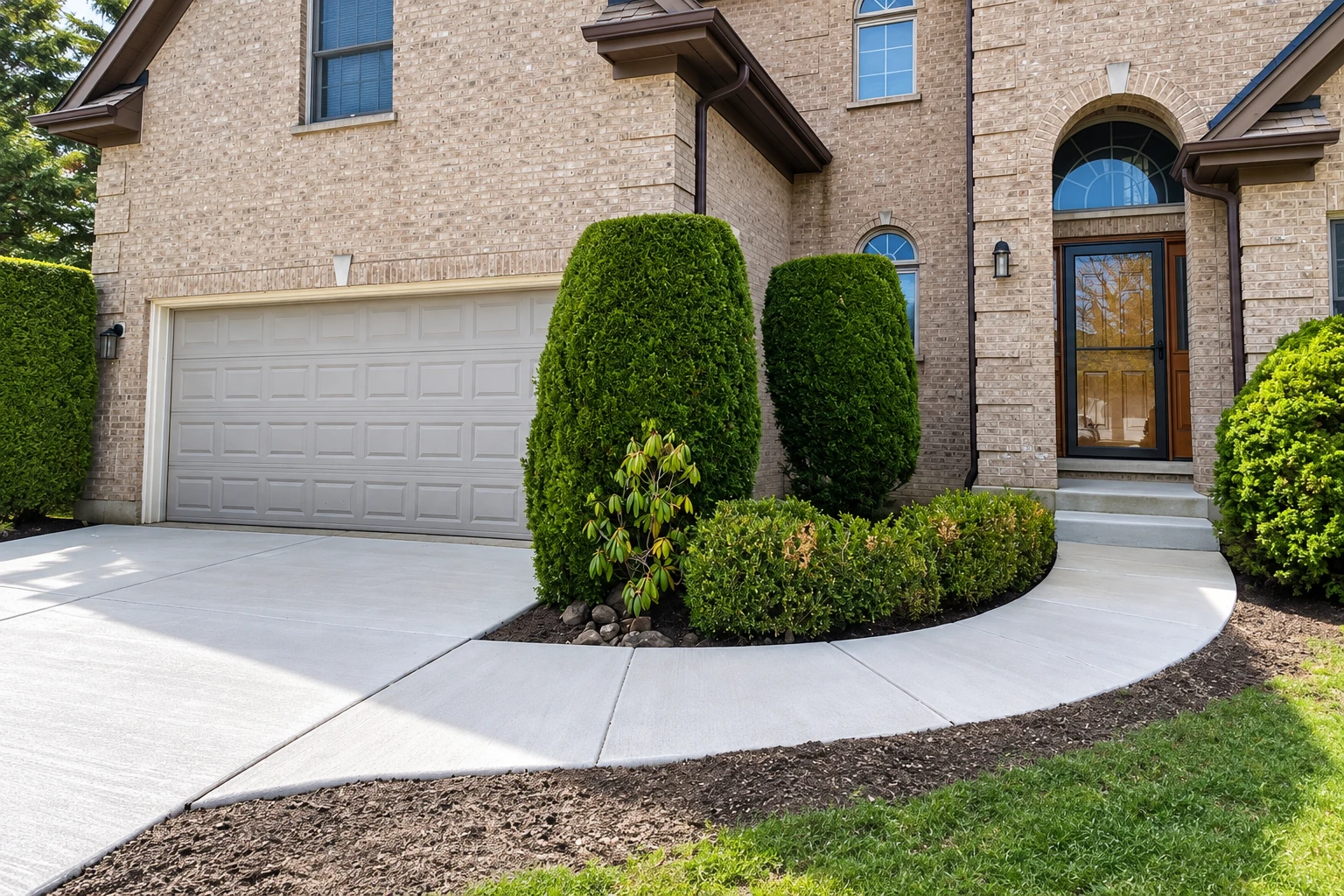
This suits owners replacing a worn-out lot or paving over gravel who want one surface built for the long haul. We tear out the old paving or clear the ground, rebuild the base and pour the full area in planned sections.
Concrete pads where the abuse is
This suits owners who want to keep the rest of the lot as it is but stop the damage at trash enclosures, loading spots and entries. We cut out those areas and pour concrete pads where trucks stop and turn.
What happens when you call about a parking lot in Pleasanton?
Call or send the form
Call (925) 468-2730 or send the form, and we'll get back to you to set a time for me to come see the lot.
I measure and write it up
I measure, ask what the lot has to carry and where the water should go, then write up the estimate. You get it line by line, so the base, the concrete and the finish each have their own number.
We pour and hand it over
Before we pour, I check the forms against the plan, because once the concrete's in it can't be moved. Afterward we tell you plainly when the lot is ready for cars, and not before.
Where a parking lot budget should go
Spend on the base before the finish.
On day one nobody can see the base, so it's the first thing people want to trim. I'd cut back the finish before I'd cut the digging and packing, because a lot poured over ground that was only raked level settles in patches and cracks where nobody planned, and the only real fix is tearing the slab out.
Examples of concrete work
Look through these examples of concrete flatwork, from driveways and walks to lots and slabs, to get a feel for finishes and layouts.
Get a written estimate for your parking lot
Tell us the lot's rough size, what it's paved with now and which vehicles use it. We reply within one business day to set up a free on-site estimate, with no obligation.
Why Pleasanton owners call Pleasanton Concrete Company for parking lots
The owner measures and runs pours
I come out to measure and write your estimate, and I'm on site to check the forms and run the pour while our own crew does the work. You deal with the same person from the first walk-through to the day the lot opens.
Commercial checks on smaller lots
I spent years with a big commercial concrete outfit, where every slab and footing got checked before a truck showed up. I started this business in Pleasanton in 2023 to bring that same checking to shops, offices and smaller properties here.
Licensed and fully insured
We're licensed and fully insured for the work we do on your property. Our work is backed by our satisfaction guarantee, and the next step is a call to (925) 468-2730 or the form above.
Parking lot questions we hear
How much does a concrete parking lot cost per square foot in the Bay Area?
Concrete slab work in the Bay Area usually costs about $8 to $16 per square foot, and that's the going range in the area, not a quote for your lot. Your own number comes from the line-by-line estimate after I've measured and seen the ground.
How long does a concrete parking lot last compared with asphalt?
Concrete commonly lasts 30 to 40 years, while asphalt commonly runs 15 to 20 years with periodic resurfacing along the way. That's why I'd compare the two over the whole life of the lot, resurfacing included, rather than on the first bill alone.
How long does new concrete take before cars can park on it?
Conventional concrete needs 3 to 7 days before traffic can use it, according to one concrete supplier's guidance, while asphalt can be driven on the same day or the day after. That wait is curing, the stretch when the concrete gains strength, and loading it early can damage a slab you'll be living with for decades.
Does my contractor need a California license to build a parking lot?
Almost certainly yes. The California Contractors State License Board requires a license for anyone who builds or alters a parking facility when the project needs a building permit, uses additional workers or totals $1,000 or more, and a paved lot is well past that figure.
Do I need accessible parking spaces on my business's lot?
Yes, businesses and non-profit organizations that provide parking lots must provide accessible parking spaces that comply with the Americans with Disabilities Act. We work out where those spaces go with you before the pour, since stalls and slopes are hard to change once the concrete is in.
Will a new concrete parking lot crack like my old one?
Most concrete lots crack somewhere over the years, because concrete shrinks as it dries and the ground under it moves, so I won't promise you a slab without a single crack. What we can control is where the cracks show up and how wide they get, through the base and the joints described above.
Want a price on your own lot?
I'll come out, measure and ask what the lot carries, then write you a free estimate line by line.
Other concrete work around a lot
Concrete parking lot building in Pleasanton: permits and stormwater
In Pleasanton, the city's Building and Safety Official issues the required permit before an owner or agent constructs, alters, repairs or demolishes a building or structure, and the city notes that a Planning or Zoning permit may still be required even when a building permit isn't. Paving matters here because countywide clean water guidance counts new concrete over dirt or gravel as new impervious surface, and tearing old paving out down to the base as replaced surface, so a lot may count as a regulated project under the city's stormwater requirements, which call for a stormwater management plan before final approval. Before work starts, we confirm which city or county office covers your address, and when a permit is needed we take care of the application and the inspections and keep you posted. If you'd like to ask the city yourself, the Planning Division answers questions at pod@cityofpleasantonca.gov.
We're based in Pleasanton and work in the cities around it, across the East Bay and down into the South Bay. The lots we're called to are mostly smaller ones behind shops, offices and multi-unit buildings, where the trouble is usually water sitting in low spots or paving worn through where trucks turn, and we get the same calls on jobs in Dublin and Livermore.